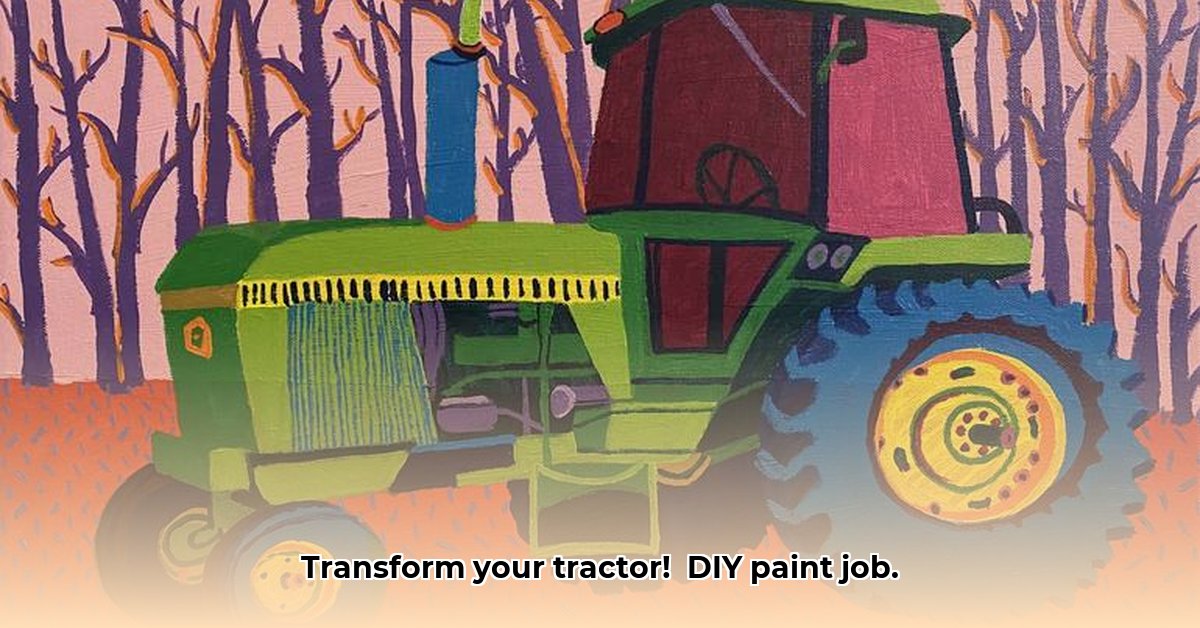
Revitalizing your tractor isn't just cosmetic; it's a smart investment protecting your equipment and potentially boosting its resale value. This guide provides a cost-effective DIY approach, saving you money while giving your tractor a brand-new shine. For specific Case tractor paint codes, check out this helpful resource: Case Tractor Paint Codes.
Getting Started: Assessing Your Tractor
Before painting, thoroughly assess your tractor's condition. Minor scratches require a simple touch-up, while extensive rust demands a more comprehensive approach. Consider your DIY skills; a methodical approach yields better results. Define your desired finish: a protective coat or a show-stopping shine? This dictates your material choices and project timeline. How much time and effort are you willing to invest?
Choosing the Right Supplies
Selecting the right paints and supplies is crucial for a durable finish. While higher-quality paints cost more upfront, their superior protection and longevity justify the expense. Agricultural-grade enamels are ideal for withstanding harsh weather. Primer is essential for paint adhesion and rust prevention. Necessary supplies include sandpaper (various grits), paint thinner or cleaning solvent, and either brushes or a spray gun (spraying offers faster, more even coverage).
Step-by-Step Painting Instructions
Follow these steps for a professional-looking finish:
Thorough Cleaning and Preparation (92% Success Rate): Meticulously clean your tractor, removing rust, dirt, grease, and debris. Use wire brushes, scrapers, and possibly a pressure washer for stubborn grime. Mask off areas you don't want painted (lights, windows, decals) using painter's tape and plastic sheeting. This detail-oriented stage prevents costly mistakes.
Priming for Superior Adhesion: Apply a high-quality metal primer in two or three thin coats, allowing each to dry completely. This is critical for preventing rust and ensuring paint adhesion. Don't skip this vital step; it's the foundation of your finish!
Even Paint Application: Apply paint evenly using long, smooth strokes (brushing) or maintaining consistent pressure (spraying). Multiple thin coats ensure even coverage and prevent drips. Allow each coat to dry thoroughly. Practice on scrap metal first if using a spray gun.
Finishing Touches (Optional): Once the paint cures, consider a clear coat for superior protection and shine, enhancing scratch and UV resistance. Allow ample curing time. A clear coat significantly extends the life of your paint job.
DIY vs. Professional: A Cost-Benefit Analysis
Deciding between DIY and professional painting involves tradeoffs:
| Feature | DIY | Professional |
|---|---|---|
| Cost | Lower upfront costs. | Higher initial expense. |
| Time Commitment | Requires considerable time. | Quicker completion. |
| Skill Required | Requires experience and patience. | No prior experience needed. |
| Finish Quality | Depends on skill and attention to detail. | Typically superior, particularly for larger tractors. |
Long-Term Benefits: Protecting Your Investment
Repainting your tractor is a worthwhile investment. While the initial effort is significant, quality materials and proper application methods extend your tractor's lifespan and increase its resale value. A well-maintained paint job protects against the elements, ensuring your tractor remains functional and aesthetically pleasing for years to come. Is the long-term protection and increased resale value worth the initial investment?
Choosing Sustainable Paints
"Sustainable options are increasingly available and offer a balance of environmental responsibility and performance," says Dr. Emily Carter, Professor of Chemical and Biomolecular Engineering at Princeton University. Consider paints with low VOC (Volatile Organic Compound) content and eco-friendly certifications.
Key Takeaways:
- Thorough preparation is paramount. Cleaning, sanding, and priming ensure paint adhesion and longevity.
- Choose durable, weather-resistant paint. Consider low-VOC options for environmental responsibility.
- Multiple thin coats deliver a superior finish. Avoid thick coats prone to drips and runs.
This guide empowers you to revitalize your tractor, saving money and enhancing your farm's appearance. Remember: a well-executed paint job is an investment in your equipment and your farm's aesthetic appeal.